Decoding HVAC Efficiency: A Guide for Fort McMurray Business Owners
Understanding efficiency ratings like AFUE and SEER2 is essential for managing energy costs in Alberta's extreme climate. This guide explains how the right equipment choices can protect your bottom line.
Navigating Efficiency in the Wood Buffalo Region
Operating a business in Fort McMurray means dealing with some of the most demanding environmental conditions in Canada. Your Heating, Ventilation, and Air Conditioning (HVAC) system is likely your property’s largest energy consumer, especially when the mercury drops below -40°C. Understanding efficiency ratings isn’t just about being eco-friendly; it is about managing your overhead costs and ensuring your equipment doesn't fail when you need it most. For local companies, high-efficiency systems are not a luxury but a strategic investment.
AFUE: The Key to Surviving Alberta Winters
Annual Fuel Utilization Efficiency (AFUE) is the most critical rating for our region. It measures how efficiently a furnace converts fuel into heat over a typical year. For example, a 96% AFUE rating means 96% of the fuel becomes heat, while only 4% is lost through the chimney or exhaust. In the sub-zero temperatures of a Wood Buffalo winter, switching from an older 80% unit to a high-efficiency 95%+ model can result in massive savings on your natural gas bills. This is particularly important for large commercial spaces where heat loss can be significant during the dark winter months.
SEER2: Staying Cool During the Long Days
While we are famous for our winters, our summers can be surprisingly hot. The Seasonal Energy Efficiency Ratio (SEER2) measures the cooling efficiency of air conditioners and heat pumps. Higher SEER2 ratings indicate better energy performance. While the northern climate doesn't require the same SEER2 levels as southern provinces, choosing a mid-to-high range unit ensures that your cooling costs remain predictable during those long, 18-hour daylight stretches in July. Efficient cooling also helps maintain indoor air quality and moisture levels, which is vital for both employee comfort and equipment longevity.
HSPF2: Evaluating Heat Pump Performance in the North
The Heating Seasonal Performance Factor (HSPF2) specifically rates the heating efficiency of heat pumps. As dual-fuel systems—which combine an electric heat pump with a natural gas furnace—become more popular in Alberta, looking for a high HSPF2 rating is essential. These systems can provide incredibly efficient heat during the "shoulder seasons" of late spring and early autumn, allowing you to save your furnace for the extreme deep freeze of mid-winter.
Practical Steps for Local Business Owners
- Audit Your Current System: Look for the EnerGuide label on your equipment or check the model numbers online to find your current ratings. If your system is over 15 years old, it likely has a much lower efficiency than modern units.
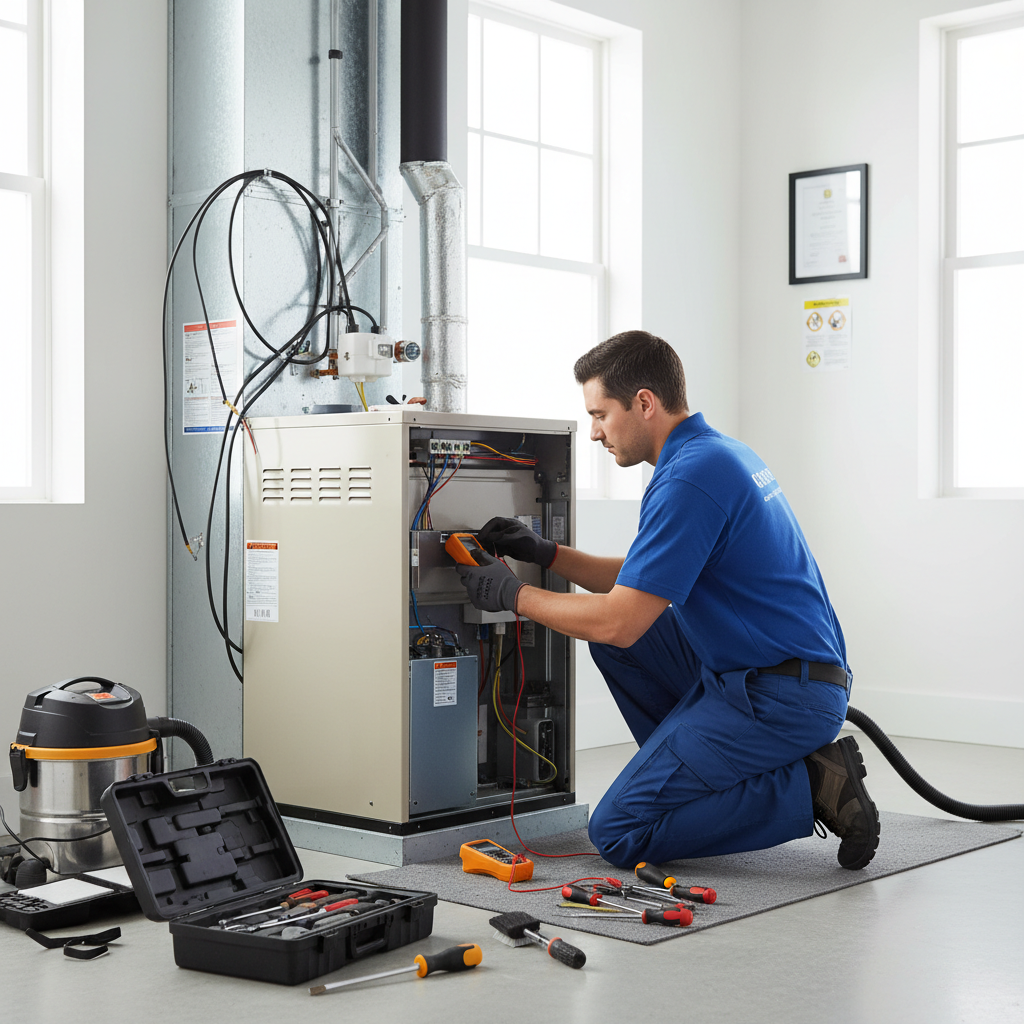
- Focus on Maintenance: Even the most efficient unit will perform poorly if filters are clogged or the coils are dirty. Regular maintenance is the only way to protect your investment and maintain the rated efficiency.
- Consider the Total Cost of Ownership: A higher-rated unit may cost more upfront, but in Fort McMurray's climate, the return on investment through energy savings often happens much faster than in milder regions.
Investing in the right efficiency level ensures your HVAC system can handle the rigours of the North without breaking your budget. If you are experiencing issues with your system or need an efficiency audit for your commercial property, our team is ready to assist with expert advice tailored to our local environment.
For emergency service or professional HVAC consultations in Fort McMurray, contact us at (780) 881-3133.