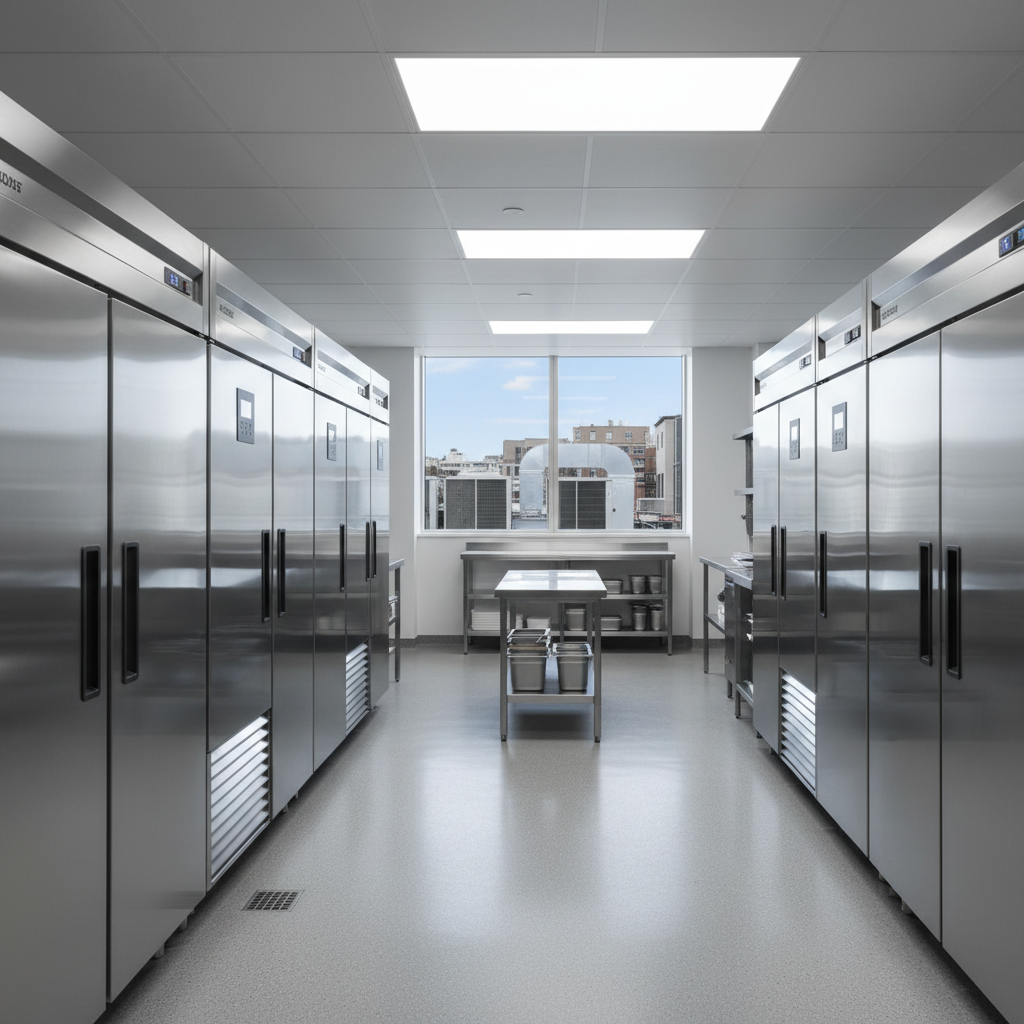
Ensuring Food Safety: Commercial Refrigeration Best Practices for Fort McMurray Businesses
Proper refrigeration is the backbone of food safety for any commercial kitchen or grocery store in the Wood Buffalo region. Learn how to maintain your equipment and protect your inventory with these professional best practices.
Keeping it Cold in the North: Refrigeration and Food Safety
For businesses in Fort McMurray, maintaining commercial refrigeration isn't just about operational efficiency—it is a critical component of food safety and regulatory compliance. Whether you are running a restaurant downtown, a grocery store in Timberlea, or a large-scale camp kitchen in the oil sands, your refrigeration systems face unique environmental challenges. From extreme winter cold to dusty summer conditions, local climate factors can put extra strain on your equipment.
Implementing strict best practices ensures that your perishables remain safe for consumption while protecting your bottom line from costly inventory loss. Here are the essential refrigeration strategies every Fort McMurray business owner should follow.
1. Precise Temperature Monitoring
Consistency is the foundation of food safety. Most foodborne pathogens thrive between 4°C and 60°C (the "Danger Zone"). To stay compliant with Alberta Health Services standards, your walk-in coolers should be kept between 0°C and 4°C, while freezers must maintain a temperature of -18°C or lower.
Do not rely solely on the built-in digital display of your unit. Place independent, calibrated thermometers in the warmest part of the unit (usually near the door) to get an accurate reading. We recommend keeping a manual log updated twice daily to identify temperature fluctuations before they become a crisis.
2. Prioritize Airflow and Organization
It is tempting to maximize every square centimetre of your cooler, but overstocking is a common cause of food safety issues. Refrigeration units work by circulating cold air; if items are packed too tightly or stacked against the walls, "hot spots" can develop where food is no longer held at a safe temperature.
Ensure there is a 5-to-10-centimetre gap between the product and the walls of the unit. Additionally, follow the "First In, First Out" (FIFO) method and ensure all items are stored on slotted shelving at least 15 centimetres off the floor to prevent contamination and allow air to circulate underneath.
3. Gasket and Seal Maintenance
In our dry northern climate, rubber gaskets can become brittle and crack over time. A faulty seal allows cold air to escape and warm, moist air to enter, leading to frost build-up on evaporator coils and internal temperature spikes.
Inspect your door seals monthly. If you can easily slide a piece of paper through the door while it is closed, your seal is failing. Keeping gaskets clean of grease and food debris will extend their lifespan and ensure a tight seal, reducing the load on your compressor.
4. Professional Preventive Maintenance
Fort McMurray’s industrial environment can lead to significant dust and debris accumulation on condenser coils. When coils are dirty, the system cannot dissipate heat effectively, forcing the motor to work harder and increasing the risk of a total system failure.
Scheduling professional maintenance at least twice a year is the best way to prevent emergency breakdowns. A technician will clean the coils, check refrigerant levels, and inspect electrical components to ensure everything is running at peak efficiency.
Expert Support When You Need It
Don't wait for an alarm to go off before you check your cooling system. By following these best practices, you can ensure the safety of your customers and the longevity of your equipment.
If you notice unusual noises, temperature fluctuations, or if you need to schedule a routine maintenance check, our local team is here to help. For reliable service or 24/7 emergency repairs in Fort McMurray and the surrounding areas, contact us today at (780) 881-3133.